


If fantasy baseball has a Dr. Jekyll/Mr. Hyde in 2026, it is definitely Caleb Durbin.
Durbin's go-ahead homer in Boston's 14th straight win was the moment his turnaround went from a stat-page curiosity to a story every Red Sox fan already knew. The moment worth catching earlier is the one buried in his splits. Durbin spent the first two months of the season looking like one of the most droppable everyday players in baseball, then spent the next two playing like one of the best hitters on a team that will not stop winning. Here is what actually changed, what in that change is confirmed by the data and what is not yet, and the checklist for finding the next player doing this before your league notices.
The Collapse That Made Durbin Droppable
Michael McLoone-Imagn Images
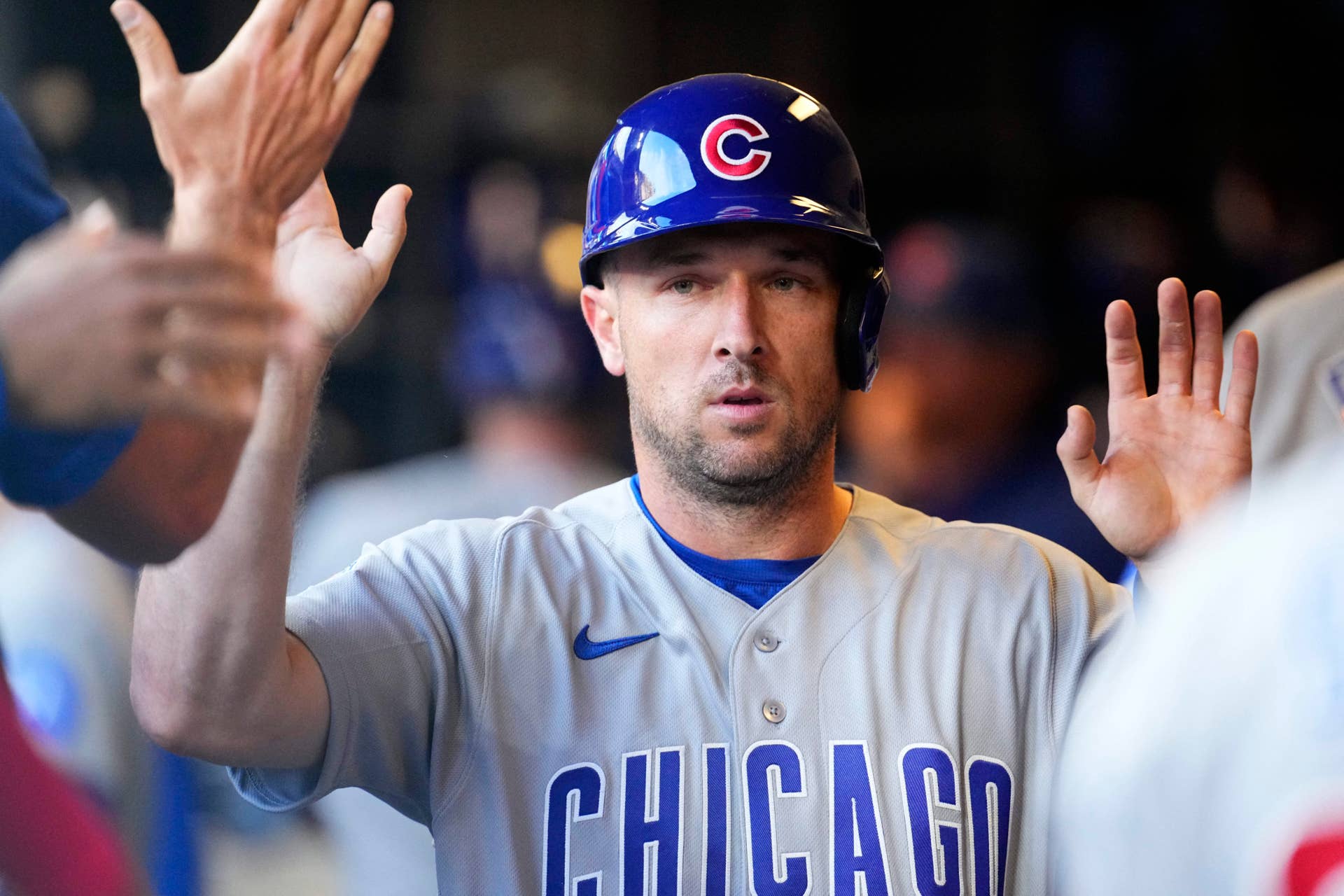
Through his first 48 games with Boston, Durbin hit .163/.241/.238 with a .479 OPS, 1 home run and 16 RBI. That is not a slow start. That is a replacement-level line from a player who was supposed to help replace Alex Bregman's production after arriving in the February trade from Milwaukee. His expected stats over that stretch, a .262 xwOBA against a .222 actual wOBA, say the results were even a shade worse than the quality of his contact deserved, but a .262 xwOBA is still a below-average hitter by a wide margin. Nobody was wrong to bench him.
What Actually Changed: The Swing, and Something the Swing Alone Does Not Explain
The Boston Globe reported the mechanical fix in early July: Durbin closed a previously open stance, which stopped him from spinning off pitches and pounding the ball into the ground. Over his next 46 games, from May 28 through July 22, he hit .303/.354/.539 with 9 home runs, 28 RBI and a wRC+ of 142. Strikeout rate fell from 15.2 percent to 11.5 percent in the same window, a real, measurable swing-decision improvement that lines up cleanly with a mechanical change.
Here is why we need to slow down before calling this a complete breakout. Durbin’s average exit velocity was 84.8 mph in the cold stretch and 84.2 mph in the hot one, essentially flat. Expected wOBA moved from .262 to .304, a real but modest gain, while actual wOBA jumped from .222 to .381. That is a 77-point gap between what Durbin has done and what his contact quality says he should have done. A hitter who fixes his swing and starts squaring the ball up better should see his exit velocity move. Durbin's has not.

The takeaway is not that the swing change is fake. The strikeout rate drop is real and it is the kind of gain that tends to hold. The takeaway is that the power output, 9 home runs in 46 games from a hitter running the same exit velocity as his cold stretch, is currently running well ahead of what the underlying quality of contact supports.
The Four Signals That Flagged the Bounce-Back Early
Four checkable signals separate a real turnaround from a hot two weeks, and Durbin shows a mix of them rather than a clean sweep. First, skills that survive the slump: his 2025 rookie season carried a 9.9 percent strikeout rate and finished third in NL Rookie of the Year voting, so the bat-to-ball ability never actually left, even at .163. Second, a documented and specific mechanical change, not a vague quote about seeing the ball well, which Durbin has in the stance adjustment. Third, batted-ball quality moving with the results, which is the signal Durbin has only partially cleared, since his strikeout rate improved but his exit velocity did not. Fourth, restored everyday playing time, which Durbin has held throughout.
Applying the Blueprint: Who Fits the Profile Right Now
John Jones-Imagn Images
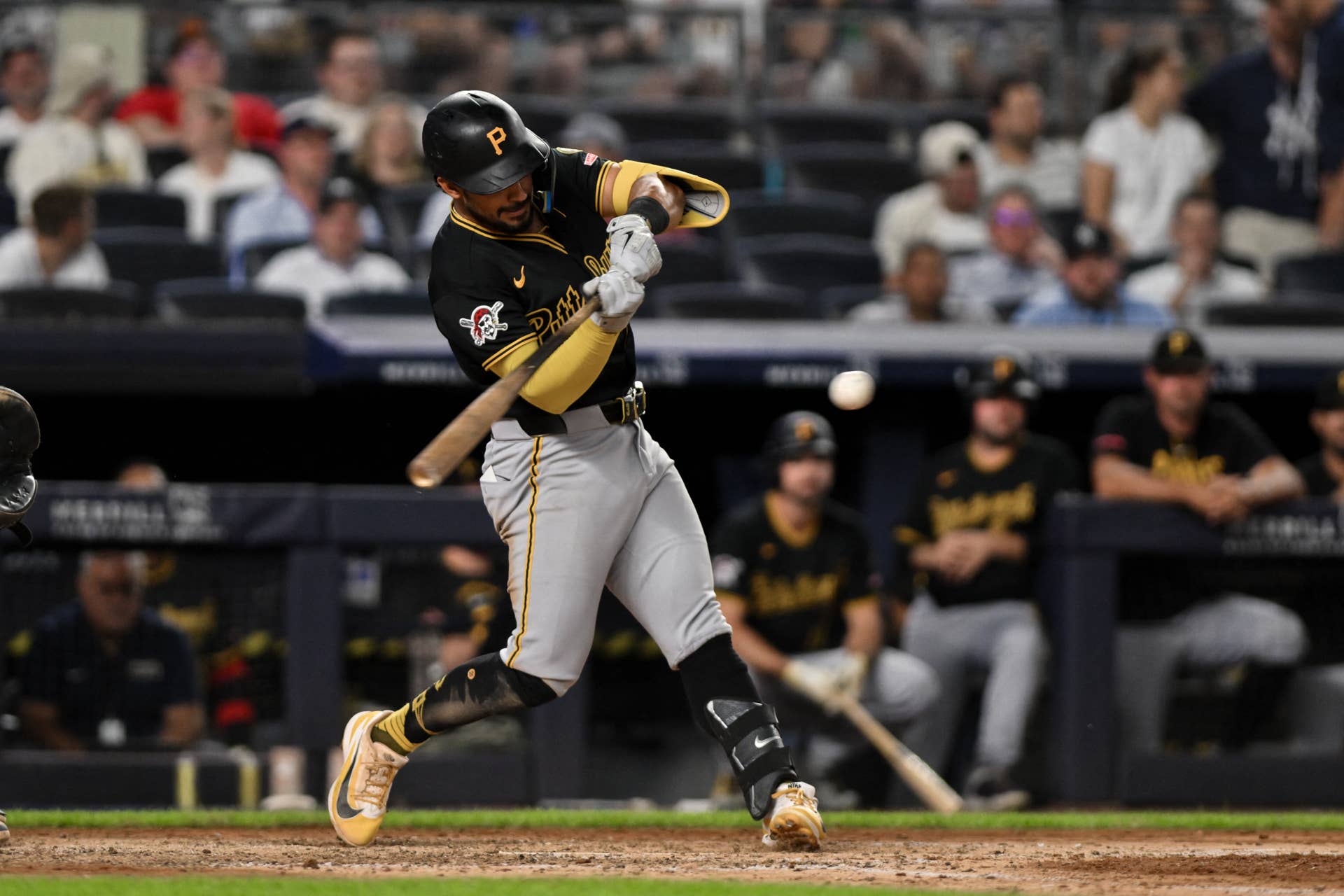
Nick Gonzales in Pittsburgh shows the closest statistical shape to Durbin's cold-to-hot split. His strikeout rate has dropped from 18.0 percent for the season to 14.5 percent since July 1, and his wOBA has climbed from .349 to .464 over that stretch, an 11.5-point jump. But his xwOBA has moved only 0.9 points in the same window, and MLB.com reported the specific mechanical cause in May: Gonzales has stayed back on his back leg more, flattening his bat path and letting the ball travel deeper before contact, a change he has described as a deliberate trade of power for contact. The strikeout gain is confirmed and sourced. The power is not the point of his adjustment, and the data agrees.
Joey Ortiz in Milwaukee is the name that looks like a Durbin parallel on the box score and fails the framework on closer inspection. He is hitting .373 over his last 51 plate appearances, but his barrel rate has moved only a few points and his xwOBA gain lags his wOBA gain by a wide margin, the same shape that flagged him as a likely small-sample outlier before this stretch even ended. The real signal in his profile is not mechanical. The Brewers moved him off shortstop to third base, and manager Pat Murphy said the shift off a demanding defensive position was like a weight coming off his shoulders. That is signal four, restored comfort and a lighter workload, not signal two, a swing fix. Chase this one for the role change if you want to, but do not confuse it for the same kind of breakout Durbin is showing.
Is Durbin Himself Still a Buy?
Hold him, and buy him only at a discount, not at the peak of a 14-game win streak. The strikeout-rate improvement is the part of this profile worth paying for, and it is real. The power output is the part that is still ahead of the evidence, given exit velocity has not moved a 10th of a mile per hour between his worst stretch and his best one. If August brings a cooldown in home runs while the strikeout rate stays in the 11 to 12 percent range, that is the swing change proving itself out on the more durable half of the profile. If the strikeout rate creeps back up alongside the power, the whole thing was closer to a hot streak than a fix.
Questions About Caleb Durbin, Answered
Why did Caleb Durbin start the 2026 season so poorly?
He was adjusting to a new team after the February trade from Milwaukee, and an open batting stance had him spinning off pitches and hitting the ball on the ground. Through his first 48 games with Boston, that combination produced a .163 batting average and a .479 OPS before the mechanical adjustment took hold.
What changed for Caleb Durbin midseason?
He closed his batting stance, which helped stop him from spinning off pitches and improved his swing decisions. Over his next 46 games, his strikeout rate dropped from 15.2 percent to 11.5 percent while he hit .303/.354/.539 with nine home runs and 28 RBI.
Is Caleb Durbin's power surge sustainable?
Not completely, based on the available evidence. His strikeout-rate improvement appears real, but his average exit velocity remained essentially unchanged while his actual production far outpaced his expected contact-quality metrics. That suggests the power surge is still running ahead of the underlying indicators.
What are the signs a slumping hitter is about to break out?
Look for contact skills that survive the slump, a documented mechanical or approach change, batted-ball quality improving along with the results, and secure everyday playing time. Those four signals help separate a genuine turnaround from a short-lived hot streak.
Is Caleb Durbin worth rostering in fantasy baseball right now?
Yes, but he profiles more as a hold than an aggressive buy. The improved strikeout rate supports the legitimacy of his turnaround, while the power production still needs stronger quality-of-contact metrics to fully support what the box scores have shown.


