


There are players I like in fantasy basketball. Then there are players I like only if they're actually going to play.
That's an important distinction this time of year.
Every summer, fantasy managers fall in love with talent and forget about opportunity. Then training camp arrives, somebody unexpectedly wins a starting job, somebody else gets stuck playing 19 minutes a night, and suddenly those carefully constructed July rankings don't look quite so carefully constructed anymore.
That's why fantasy basketball position battles matter.
I wouldn't drastically rearrange my draft board based on rumors from July. But these are five situations I'd be watching closely, because the eventual winners could move several rounds by October.
1. Houston Rockets Backcourt
Houston has talent everywhere. For fantasy purposes, that isn't necessarily a compliment.
The Rockets' backcourt is crowded enough that Amen Thompson's role bears watching closely heading into training camp. Thompson is exactly the type of player who can tempt fantasy managers into drafting the talent and worrying about the details later.
I'd resist that temptation until we know more.
If Thompson emerges with a clear path to major minutes and consistent ballhandling opportunities, his combination of assists, rebounds and defensive production makes him extremely interesting.
If the Rockets decide he's better utilized in a more flexible role with touches distributed throughout a deep rotation, I'm less enthusiastic.
The signal I'm watching isn't merely whether Thompson starts. It's who handles the ball when the games matter.
Give him consistent creation duties and I'm buying. Anything less, and I'm probably letting someone else pay for the upside.
2. Oklahoma City Thunder Guard Rotation
The Thunder present a different problem. They're really good. Really deep, too.
That's wonderful if you're trying to win an NBA championship. It can be maddening if you're trying to figure out which fifth or sixth option belongs on your fantasy roster.
Oklahoma City's guard rotation remains one of the situations worth monitoring as the offseason progresses, with the final roster configuration helping determine where the available minutes and shots go.
This isn't one I'd reach for on draft night. I'd rather let training camp provide the answers.
If a clear guard hierarchy develops, there's value to be found. If Oklahoma City continues spreading minutes across a deep rotation, several useful NBA players could remain frustrating fantasy options.
Sometimes the smartest fantasy move is admitting an excellent real-life situation isn't necessarily an excellent fantasy one.
3. Memphis Grizzlies Frontcourt
Memphis is where I'd start paying especially close attention to preseason lineups.
Frontcourt competitions tend to matter because big-man fantasy production can appear quickly. Give the right player 25 to 30 minutes and suddenly you're getting rebounds, blocks, field-goal percentage and easy baskets around the rim.
Take those minutes away and there's not much left. That's what makes the Grizzlies' frontcourt worth tracking.
I wouldn't draft based on what the depth chart says today. I'd watch who plays with the starters in camp, who closes preseason games and, perhaps most importantly, who appears to have the trust of the coaching staff defensively.
If one player clearly separates himself, react quickly. That's the type of development that can turn a final-round gamble into a legitimate fantasy rotation piece.
4. Dallas Mavericks Frontcourt
Dallas offers another crowded frontcourt, but I'd treat this one differently.
I'm more cautious here. When an NBA team has several legitimate options at the same positions, fantasy managers have a bad habit of assuming the best statistical player will eventually force his way into enough minutes.
Sometimes he does. Sometimes the coach just keeps using everybody.
That's the danger with Dallas.
Until the Mavericks show us a consistent rotation, I'd rather draft someone with a boring but dependable 28-minute role than gamble several rounds earlier on a Dallas big who may have the better name.
Could somebody emerge and make that look overly cautious? Absolutely. If he does, I'll adjust.
But I'm not paying an August price for October minutes.
5. Minnesota Timberwolves Backcourt
Ron Chenoy-Imagn Images
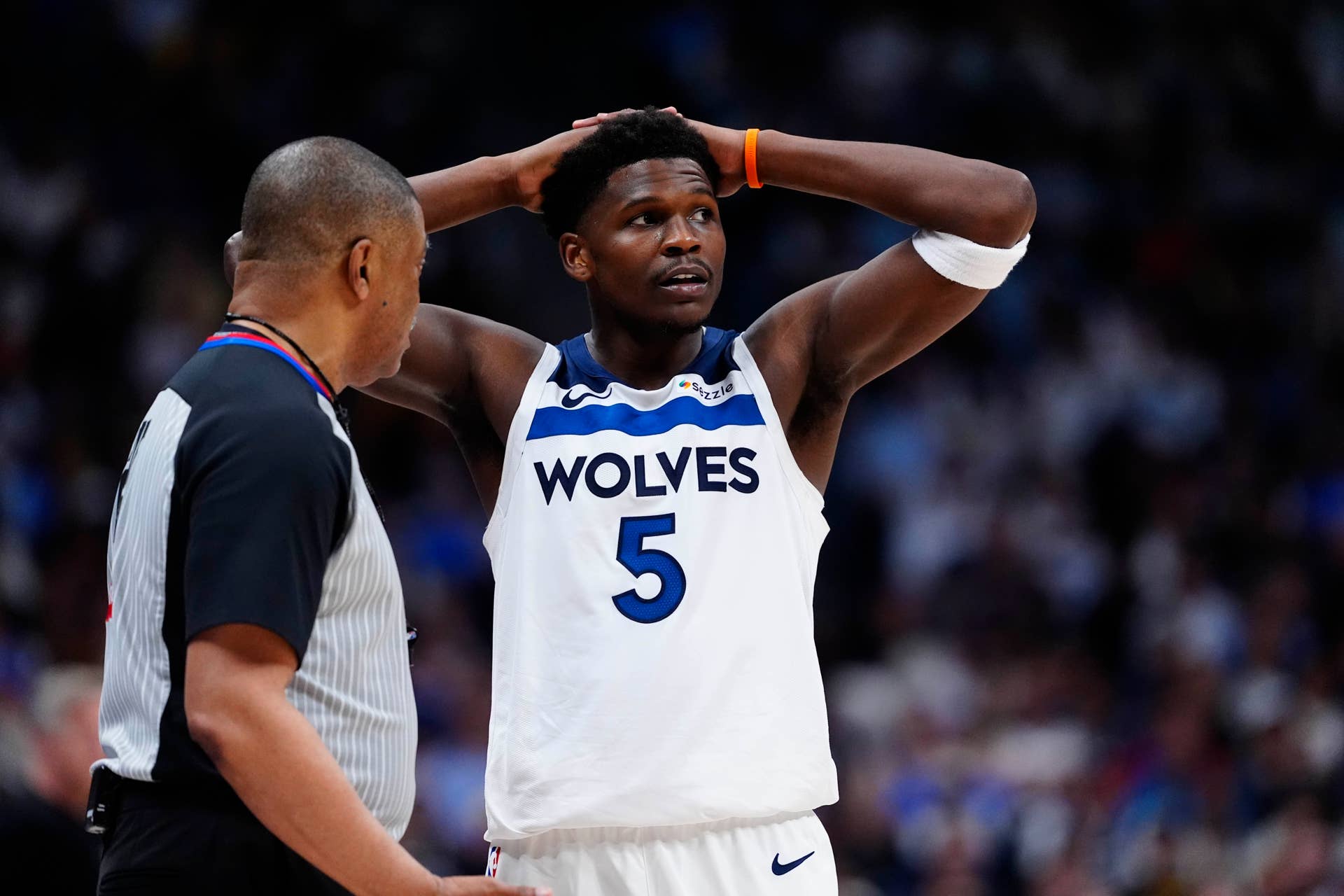
This might be the most fascinating one because Minnesota already knows who its centerpiece is.
Anthony Edwards isn't going anywhere. The question is what happens around him.
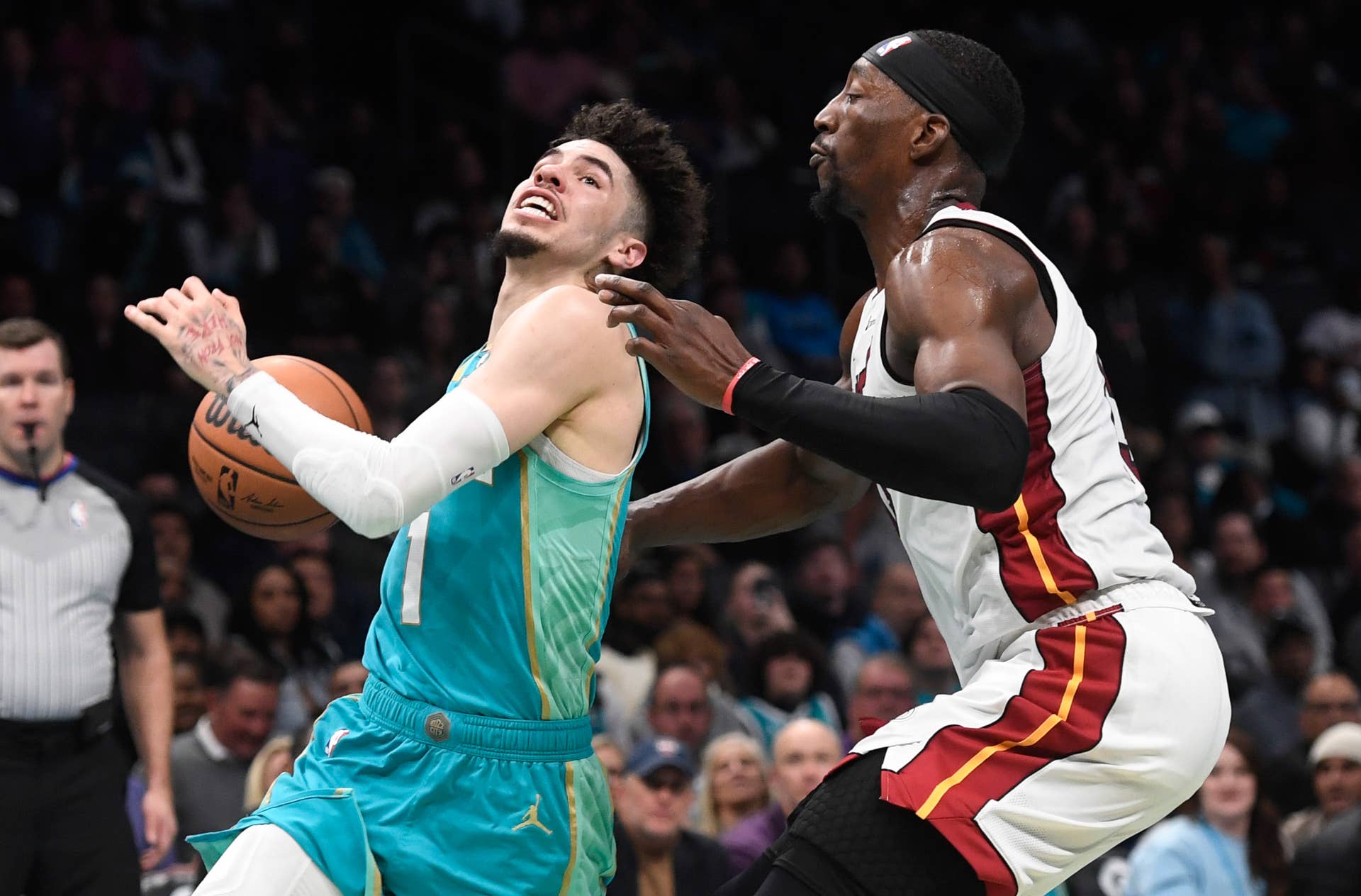
With LaMelo Ball now alongside Edwards, the Timberwolves have two dynamic perimeter creators capable of dominating possessions. That should make Minnesota considerably more explosive offensively.
Sam Sharpe-Imagn Images
It also makes the remaining backcourt minutes precious.
For Edwards, I'm not particularly worried. Great players generally figure it out, and having another elite creator could even generate easier scoring opportunities. It's the complementary pieces I'd be careful with.
If someone emerges as the obvious third guard and receives steady minutes alongside Edwards and Ball, there could be sneaky fantasy value there.
If Minnesota mixes and matches the rest of the rotation, I'd stay away. In other words, don't overthink Edwards. Watch everybody else.
We Don't Know The Answers, Yet
Here's the thing about position battles: We don't need to solve them in July. NBA teams haven't solved them yet, either.
That's why I'd rather keep these situations circled than pretend we already know the answers. Follow the depth charts, certainly, but pay even closer attention once training camp begins. Then watch who starts in preseason, who handles the ball, who closes games and which players consistently receive meaningful minutes.
Those clues matter more than offseason speculation. And when one of these battles finally does break decisively? That's when you move.
Fantasy drafts aren't won because you correctly guessed every rotation three months early. They're won because you recognized when something changed and adjusted before everyone else did.
Questions About Position Battles In Fantasy Basketball
Which position battles matter most for fantasy basketball in 2026-27?
The position battles worth watching include Houston's crowded backcourt, Oklahoma City's unsettled guard rotation, the frontcourt situations in Memphis and Dallas, and Minnesota's backcourt mix around Anthony Edwards. Each has the potential to reshape player roles and fantasy draft value once training camp and preseason clarify rotations.
When will these position battles actually be resolved?
Most of these competitions will become clearer during training camp and the preseason. Watching who starts, closes games, handles the ball, and consistently earns meaningful minutes provides stronger indicators than offseason speculation or early depth charts.
Should I draft around an unresolved position battle?
It's usually better not to overreact before roles are established. Rather than paying a premium for uncertain upside, wait for training camp to reveal clearer rotations and be prepared to adjust quickly once a player earns a defined role.
How often should I check depth chart news before my fantasy draft?
Monitor these situations regularly throughout the offseason, but pay especially close attention once training camp begins. Preseason starting lineups, closing units, ballhandling responsibilities, and consistent playing time offer the most valuable clues before draft day.


