


The offseason is not just about rumors. It is about movement. Opportunity. Fit.
That is why the 2026 fantasy basketball offseason matters so much already. A few situations are set. A few are still fluid. Either way, fantasy values are moving.
Some of them are moving a lot.
That is the edge this time of year. You do not need final answers yet. You just need to know which NBA players are one team change, one free-agent decision, or one rotation shift away from a very different draft slot in 2026-27.
Biggest Fantasy Value Risers in the 2026 NBA Offseason
Players Poised for Major Upside
Start with Trae Young.
He was traded to Washington, then shut down for the rest of the season after appearing in only five games for the Wizards. Coach Brian Keefe said Young would not return this season, and reporting around the team has pointed toward Young declining his player option and signing a long-term extension with Washington.
That matters because it gives him a clear runway. If Washington is building around him, the usage will be enormous. In fantasy, that usually means points, assists, and threes in bulk. The percentages and turnovers may still come with the package, but the role looks secure.
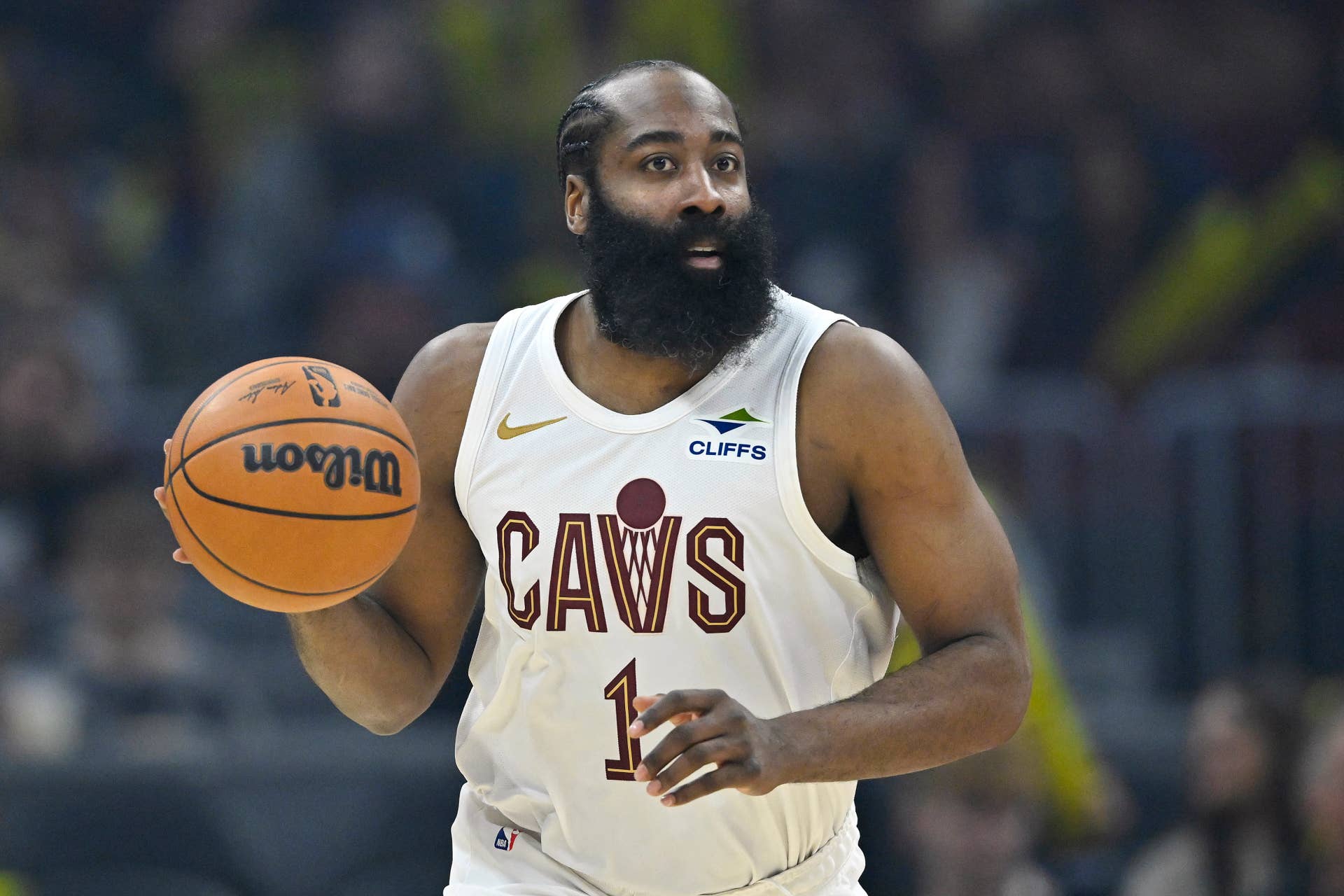
James Harden belongs here too.
He was dealt to Cleveland at the deadline and immediately stepped into a lead playmaking role. That is enough to tell us the fantasy fit is real. In Cleveland, Harden does not need to score 30 to matter. He just needs the ball. If the Cavaliers keep leaning on him as a primary organizer, the assists stay high and the fantasy floor stays steady.
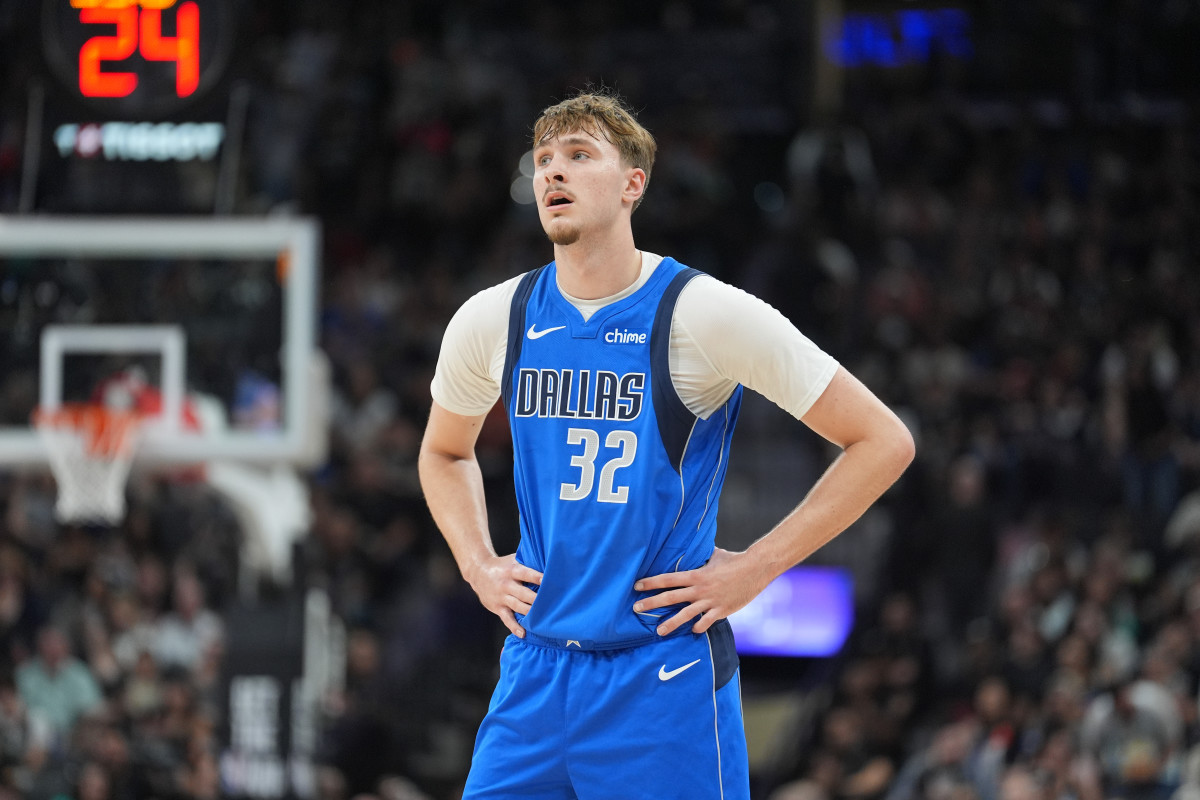
Then there is Cooper Flagg.
This is less about a transaction and more about a trajectory. Flagg has already shown he is not a normal rookie. As of April 1, he was at 20.3 points, 6.6 rebounds, and 4.5 assists, and his role in Dallas has only become more central. That is the type of player who enters the offseason as a rising fantasy star and exits it with a much higher ADP.
Reed Sheppard and Matas Buzelis fit the same general category.
They are not moving because of trades or free agency. They are moving because their teams are giving them more. Sheppard’s second season has pointed to a larger offensive role in Houston, while Buzelis continues to look like a player Chicago will trust more next year.
Those are the quieter offseason risers. They are not driven by headlines. They are driven by role growth. That is often just as important.
Biggest Fantasy Value Fallers in the 2026 NBA Offseason
Mark J. Rebilas-Imagn Images
Players at Risk of Significant Drops
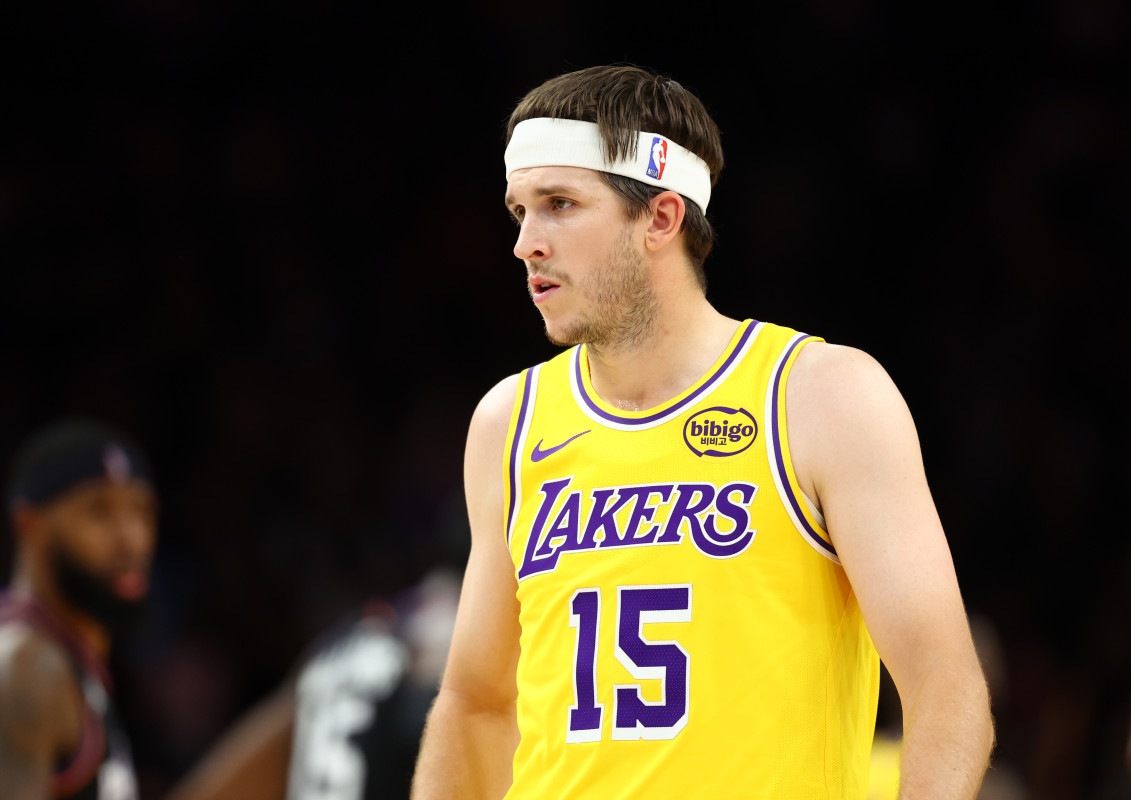
LA Lakers guard Austin Reaves is the easiest example.
This is not about talent. He is having a career year, averaging 23.3 points and 5.5 assists per game (as of early April). The issue is context. He is also dealing with a Grade 2 oblique strain that will keep him out four to six weeks, and the Lakers are built around Luka Doncic first.
If LeBron James returns, Reaves slides even further down the offensive hierarchy. That does not make him a bad player. It just makes him easier to overrate in fantasy if you ignore the role.
LeBron is a faller for a different reason.
He remains productive. He set the all-time win mark in early April and was still leading the Lakers in major moments. But he is also entering another free-agent summer at age 41. Whether he returns to Los Angeles or explores a reunion with Cleveland, the fantasy concerns are obvious.
Age, maintenance, and missed games are now part of the profile. That pushes him down unless he comes at a real discount.
Zach LaVine belongs in this section, too, even though the talent is still there.
He underwent season-ending hand surgery in February. He was already on a new team after Sacramento acquired him from Chicago in the De’Aaron Fox deal. Add in the continued expectation that the Kings will explore moving him again, and you get a fantasy valuation problem.
A healthy LaVine in the right spot can still score 25 on a given night. A player rehabbing, changing teams, and adjusting to another role is harder to price. That uncertainty usually drags the value down before it ever creates a buying opportunity.
Anthony Davis also fits.
He was acquired by Washington at the deadline and never got back on the floor because of ligament damage in his right hand. It is the same story fantasy managers know too well: Per-game excellence. Uncertain availability.
That profile can still work, but it forces a different draft strategy than it used to.
How to Adjust Your 2026 Fantasy Basketball Draft and Dynasty Strategy
Daniel Dunn-Imagn Images
Immediate Offseason Moves and Keeper Decisions
The best way to approach this is to separate role volatility from talent.
Young is volatile in a good way. Washington is giving him the keys. That creates fantasy upside. Harden is volatile in a manageable way. The age is there, but the role in Cleveland still points to dependable assists and solid counting stats. Flagg is no longer a speculative dynasty piece. He is becoming a real redraft priority.
On the other side, Reaves is the kind of player you draft carefully, not emotionally. LaVine is the kind of player you monitor, not blindly trust. LeBron and Davis are still excellent. They are just no longer players you build around without a strong contingency plan.
That is where keeper decisions become easier. In dynasty, you can justify moving off aging stars a year early if the market still values the name. In redraft, you simply let someone else pay for the old ceiling.
Long-Term Implications of the 2026 NBA Offseason for Fantasy
What to Monitor Through Summer and Training Camp
The next phase is obvious.
Watch free agency. Watch trades. Watch camp roles. But watch usage most of all.
If Washington confirms the offense is fully Young’s, the value climbs. If Sacramento keeps LaVine, you are drafting one player. If it moves him again, you may be drafting a very different one.
If LeBron returns to the Lakers, Reaves has one ceiling. If LeBron leaves, Reaves has another. That is how quickly values can move in the offseason.
The younger players are just as important. Flagg, Sheppard, and Buzelis may not dominate headlines in July the way older stars do, but their values can still rise as teams commit more to them. Those are the players who often look obvious in hindsight.
2026 Fantasy Basketball Offseason: Players With the Biggest Fantasy Value Swings
This is what makes the offseason useful. Not certainty. Direction.
Young looks like a major riser if Washington truly turns him loose. Harden still has value because his role in Cleveland is clean. Flagg is already pushing into another tier. Sheppard and Buzelis are the quieter climbs.
On the other side, Austin Reaves is vulnerable to role squeeze, Zach LaVine is trapped in uncertainty, and LeBron James and Anthony Davis remain difficult to trust over a full fantasy season.
That is the board right now. It will change again.
The managers who track it first will be the ones drafting from ahead.
2026 Fantasy Basketball Offseason: Questions Answered
Which players could see the biggest fantasy value swings in 2026?
Trae Young, James Harden, Cooper Flagg, Austin Reaves, Zach LaVine, LeBron James, and Anthony Davis all stand out because of role changes, team context, or health questions.
How should fantasy managers prepare for these 2026 offseason value changes?
Focus on role, usage, and availability first. Offseason noise matters, but fantasy value usually follows minutes and offensive responsibility.
Do these 2026 offseason swings affect redraft or dynasty strategy more?
Both, but dynasty managers have more room to act early on younger risers like Flagg, Sheppard, and Buzelis before the market fully adjusts.
When will these fantasy value swings become clearer?
Training camp and preseason will provide the clearest signals on role and usage, especially for players whose teams may still make moves this summer.
Should managers make early trades based on 2026 offseason rumors?
In dynasty, yes, when the role trend is strong enough. In redraft, it is usually smarter to wait for a little more clarity before paying full price.


