


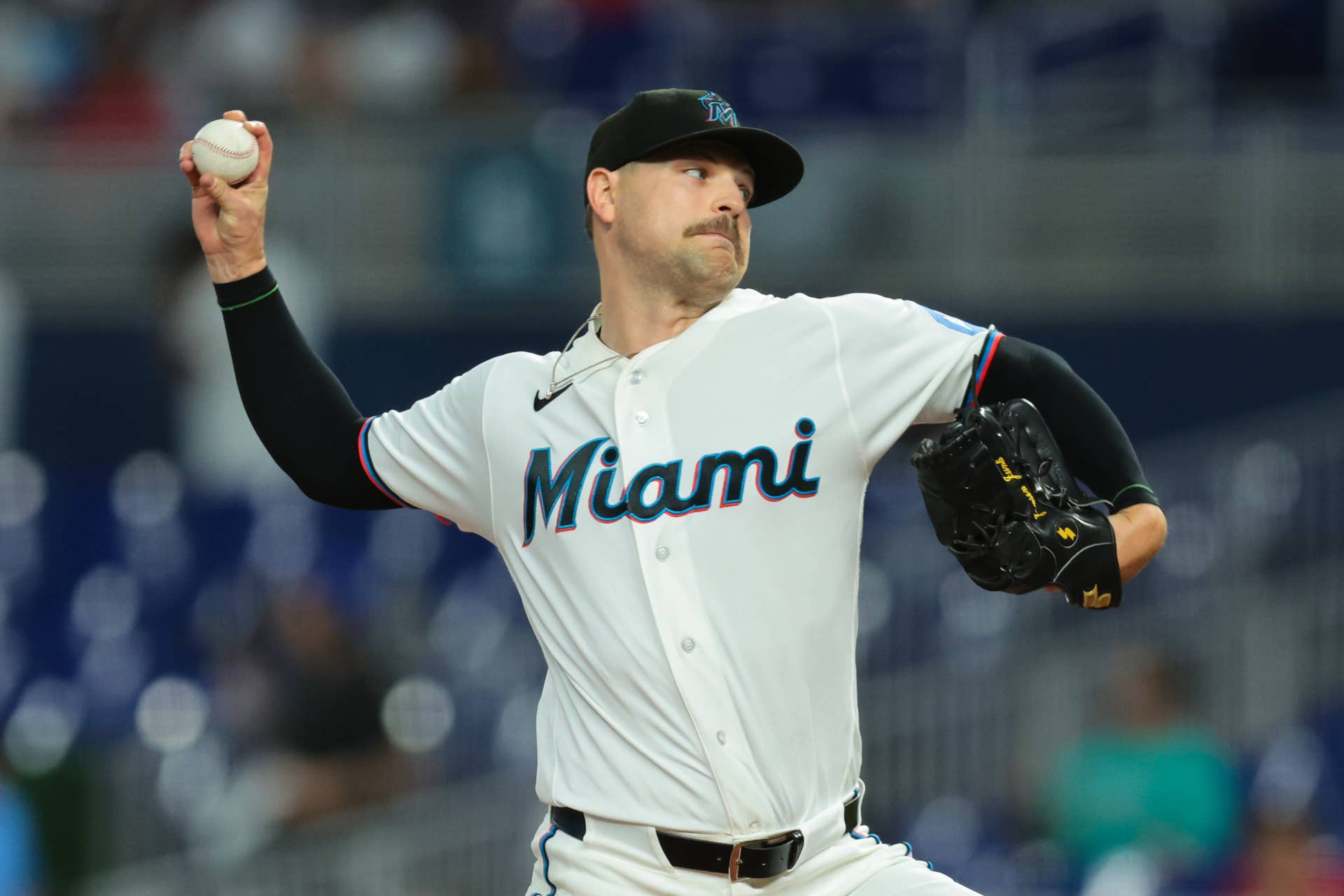
Janson Junk has wandered his way through six seasons in the big leagues. He has pitched for four different teams accumulating only 161 innings, most of them coming last season when he tossed 110 innings with the Marlins.
He has showcased below average stuff with a 93 mph fastball and owns a 4.73 career ERA. The most notable thing about Janson Junk has been his last name.
But could that be changing? In two starts his fastball velocity is up 1.3 mph and his ERA is 3.09.
Junk is one of several pitchers who are already showing velocity gains. But are velocity gains produce better results and higher strikeout totals for fantasy managers? Is it too early to speculate on season-long fortunes of pitchers, based on 150 or so pitches? Let’s take a look under the hood at a few names, including our favorite Junk-ball thrower, to see who is throwing harder and what it could mean for the season.
2026 Fantasy Baseball Velocity Gainers: The Early Standouts
© Sam Navarro-Imagn Images


Before discussing the bigger names, let’s look closer at Junk. His velocity, 93.6 a year ago is up to 94.9 this season, a notable but not huge jump. Looking more closely, we see his stuff has improved across the board. Here are his Stuff+ readings for his pitches. A grade of 100 indicates league average stuff. Higher numbers are above average and lower scores are subpar. We see significant improvement, particularly on his fastball and change up.
| Metric | 2026 | Career |
|---|---|---|
Stuff+ Fastball |
111 |
92 |
Stuff+ Slider |
107 |
103 |
Stuff+ Curve |
96 |
95 |
Stuff+ Change up |
117 |
91 |
Source: FanGraphs.com
He’s only striking out just over 6 hitters per nine but has good control, with 1.54 BB/9. So I’d guess his performance will be up and down. Pitchers who throw 93 or 94 mph tend to rely on location and defense to survive. Despite the velocity tick, Junk will continue to do so. So he’s someone to monitor moving forward, but with low K totals, me may not help fantasy teams.
Headlining our velocity gainers is Kodai Senga. The Mets pitcher struggled in 2025 as his velocity dropped from 96 to 94.8. He never regained his form after returning from a leg injury last season. His velocity has returned and then some. So far in 2026, Senga is up 2.1 mph to 96.9 against his career average of 95.6.
His 3.09 ERA and 1.72 FIP, along with 12.34 K/9 have made him an early-season standout. Senga had an electric spring, so the velocity surge is hardly a surprise. He’s a bit wild but he’s a player you should roster or trade for.
© Geoff Burke-Imagn Images


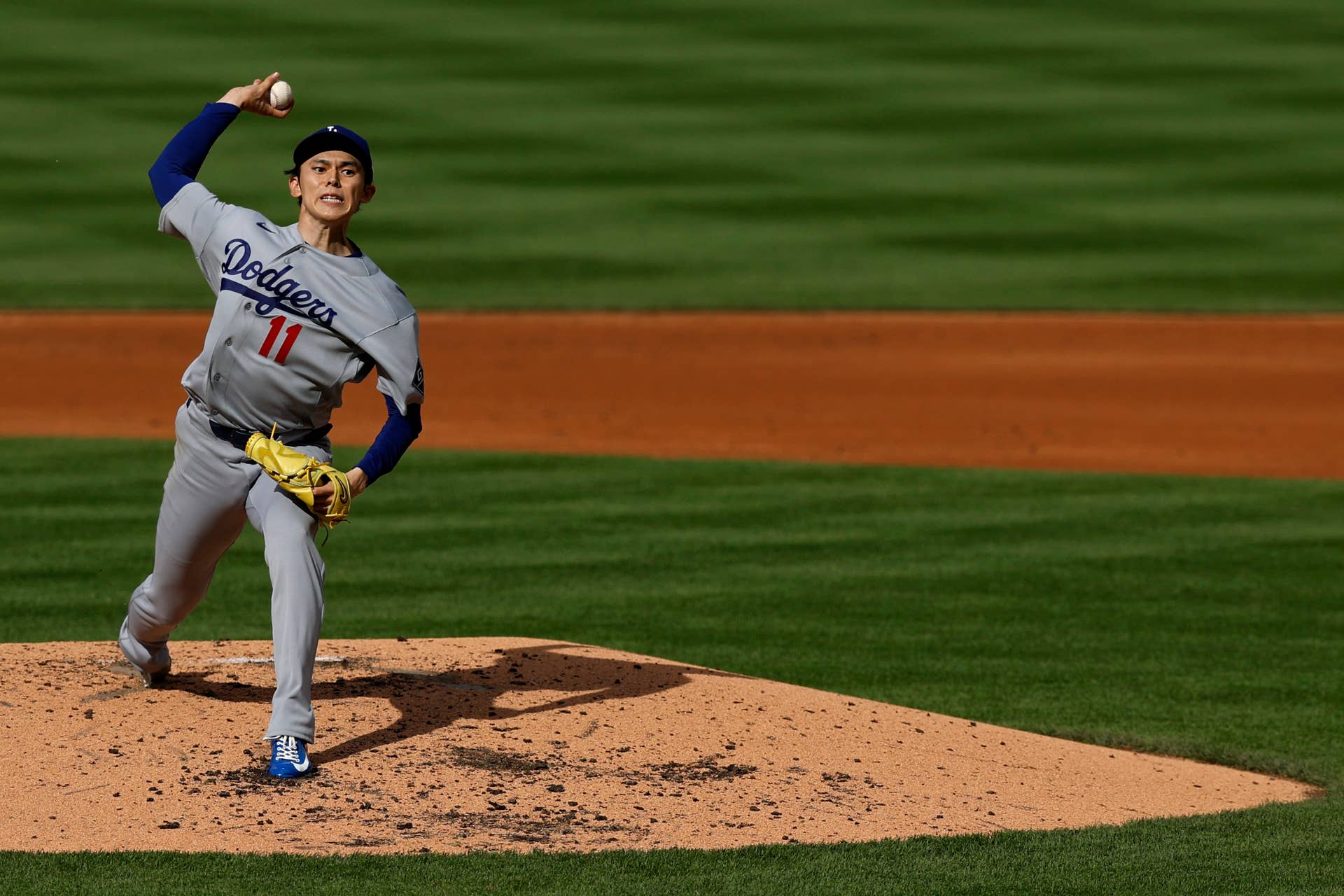
Roki Sasaki is another name we were watching closely this season. His adjustment to MLB from Japan did not go well last season, sporting a 4.46 ERA and 5.80 FIP. What we can say about this season, so far is that his velocity and K totals are up, but unfortunately so is his ERA, which sits at 7.00
Pitchers who throw 97.5 mph, as he is this year (96.4 last season) tend to fare better but Sasaki recently admitted to having confidence problems, so he is a pitcher I would avoid until better results come.
Ranger Suarez is a reminder that not all velocity gains yield fruit. His is up 0.5 mph to 91.7 but, as you might expect from a soft tosser, strikeouts aren’t a big part of his game. Overall he’s struggling to get acclimated to Boston, with an 8.64 ERA and just 5.4 K (8.3 career mark)
Suarez, though not a high strikeout option, should level out and be a better fantasy baseball contributor soon. A velocity gain is notable, but not as important for him as it might be for harder throwers.
© Rick Osentoski-Imagn Images


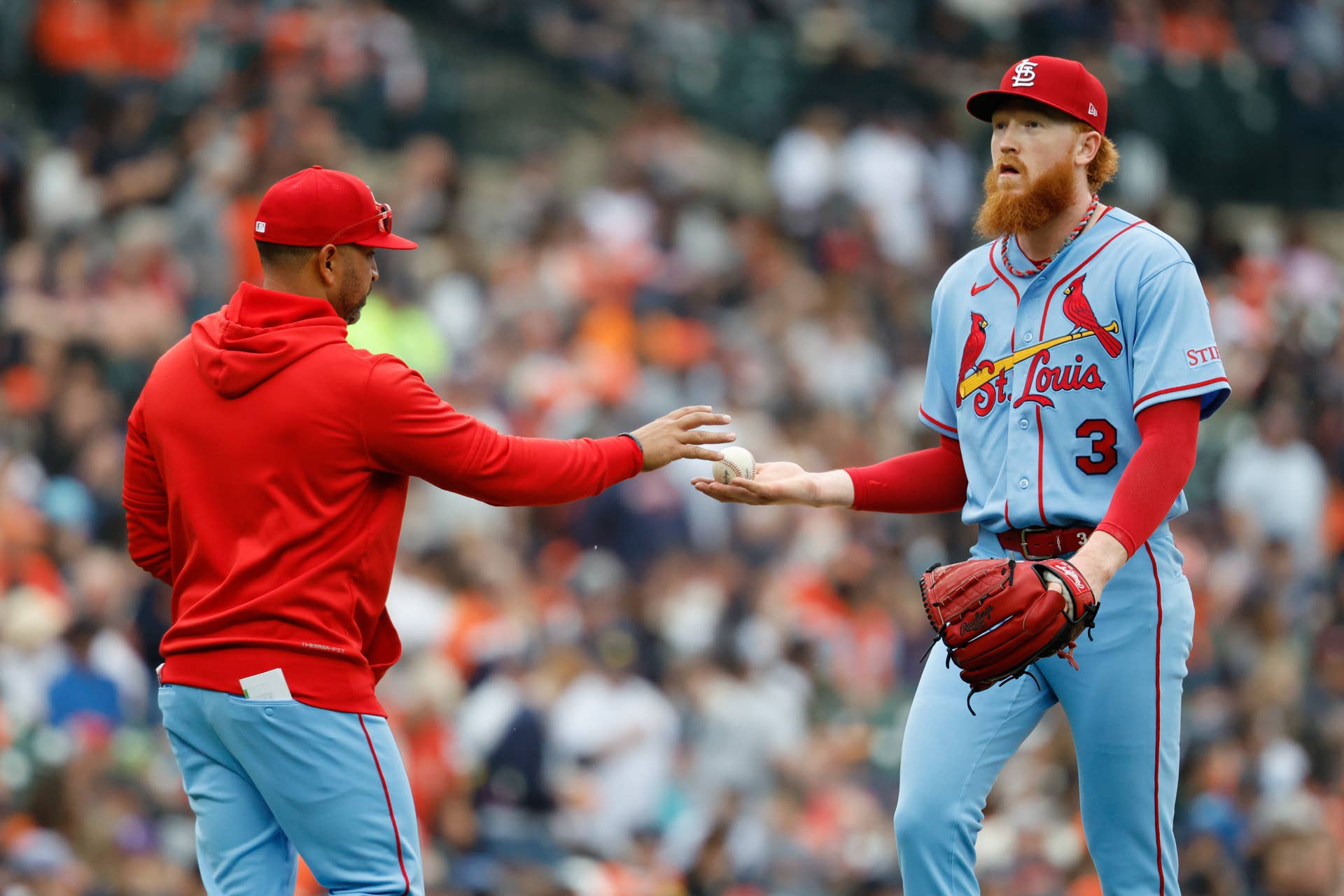
Dustin May is another warning that velocity gains do not guarantee success. His velocity is up 1.8 mph to 97.1 with the Cardinals, but it accompanies a 15.95 ERA. He is striking out 8.59 hitters per nine innings, about on par with his career mark. Like Suarez, May might just be settling into a new home city. He’s not as reliable an option as Suarez, but he is worth keeping an eye on.
2026 Fantasy Baseball Velocity Gainers: Early Standouts After Two Starts
We know it’s too early to make rash judgments, both positive and negative after just two starts. Velocity gains do not guarantee good results, but they do give us an indication that there are notable changes with a pitcher.
In Senga’s case, all arrows are pointing up. But he started well last year before his June injury wiped that out. Velocity gains should be studied along with pitch selection and frequency, arm angle and swing and contact statistics.
But these gains are a starting point to ask more questions, to monitor specific pitchers and dig a little deeper improve your fantasy baseball roster.
Smart Managers Have More Questions About Velocity Gains
Which pitchers are showing the biggest velocity gains early in 2026?
Kodai Senga leads with a jump of more than 2 mph, while Roki Sasaki, Ranger Suarez, and Dustin May are also showing meaningful increases after two starts.
Are these early velocity gains translating into better fantasy results?
Some pitchers are seeing higher strikeout totals and improved whiff rates, but others still need command or secondary pitch improvements to fully capitalize.
Should managers add these velocity gainers on waivers right now?
Yes in most leagues. The outlook provides specific add/stash priority based on early results.
How sustainable are these 2026 velocity spikes?
Historical data shows some velo gains hold while others regress. The recap highlights what to monitor through May.
How do these early velocity gainers affect dynasty or keeper strategy?
Strong early velo can create buy-low windows or confirm long-term upside for dynasty managers.


